• Home
  • About
  • Blogs
  • Sales
  • Services
  • Contact
  • Home
  • About
  • Blogs
  • Sales
  • Services
  • Contact
ALVIN MARINE
  • Home
  • About
  • Blogs
  • Sales
  • Services
  • Contact
Back to Blog

Ethanol fuels and the use of Phaser 3000

11/15/2018


RSS Feed

Today's ethanol blended fuels have positive and negative effects on marine engines. Ethanol is an alcohol made from corn. The ethanol is used as an octane booster so that less petroleum (oil based) gas is needed to provide the correct level of octane to operate your engine correctly and is cheaper to produce than petroleum gas. Ethanol blended fuels burn cleaner than non-ethanol fuels which results in less carbon build up in combustion chambers and exhaust systems and emit lower amounts of harmful pollution. They also burn colder than non-ethanol fuels which means less power. With ethanol blended fuels you have to push down more on the gas pedal in your car to go 55 mph than you do with non-ethanol fuels. This effectively lowers your cars fuel mileage. Ethanol fuels have the same effect on marine engines. One of the biggest problems with ethanol fuels in marine engines is water absorption. One of ethanol's characteristics is that it will absorb moisture from the atmosphere. Most (if not all) boats built before 2011 have an openly vented fuel system. This means that the fuel tank has an unrestricted vent to the outside of the boat. Car fuel tanks have a solenoid valve that automatically opens and closes to let air into the fuel tank as fuel is removed. Boat fuel tanks do not. When a boat is stored outside in the sunlight, daytime heating warms up the boat and the boats fuel tank. This warmth causes the fuel in the fuel tank to expand and some of it evaporates. These fumes leave the tank through the unrestricted fuel tank vent system. When the sun goes down at night the boat and fuel tank cool down and there is a contraction of the fuel tank and fuel which pulls air in through the fuel tank vent system. So, your boats fuel tank is expanding and contracting (or breathing) on a daily basis. In Texas and especially near the coast, there is a very high percentage of moisture(humidity) in the air almost year-round. This moisture is absorbed by the ethanol fuel. The ethanol fuel turns this moisture into a tiny (almost microscopic) ball of water and suspends it in the fuel. In this condition your engine can burn the fuel even though it has water suspended in it without any noticeable running issues. The problem is that ethanol will keep absorbing moisture to the point that it is saturated with these tiny balls of water. These tiny balls of water start colliding with each other and create larger balls of water. These balls of water will continue to grow in size as the ethanol absorbs more water. The result is that the ball of water becomes too heavy for the ethanol to keep suspended in the fuel.
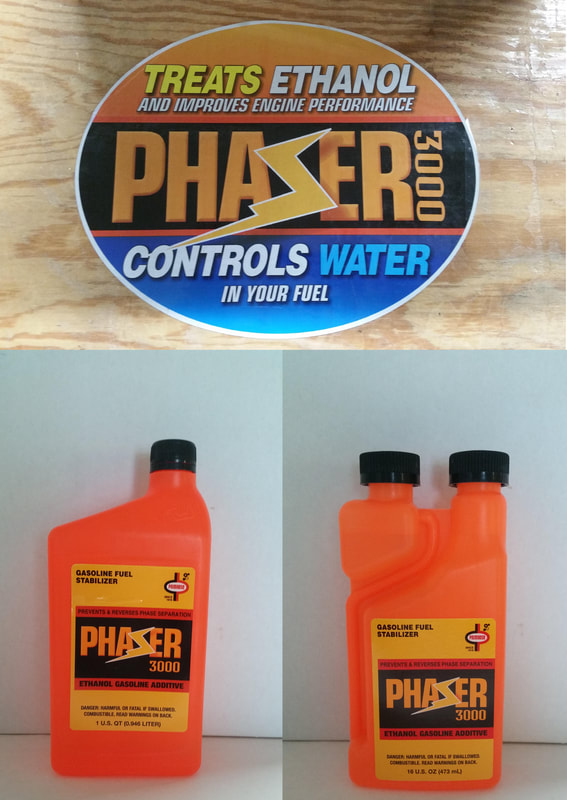
The large balls of water then sink to the bottom of the fuel tank making room for more little balls of water. As this process continues, water begins to build up on the bottom of the fuel tank. As this continues another problem develops. The ethanol will begin to separate from the petroleum gas it is mixed with. This is called "phase separation". This process causes layering to occur. The bottom layer is water with a layer of ethanol on top of it, and then a layer of low octane on top of that. if you premix your outboard motor fuel tank with two stroke oil, a fourth layer will develop on top of the petroleum gas. This is your two-stroke oil. When the level of water gets high enough to be picked up by the fuel tank pick up, it goes into the engines fuel system causing it to lose power or stop running altogether. This can create dangerous situations which could lead to personal injury, property damage or even death. To stop this from happening Alvin Marine suggests treating your fuel with a fuel stabilizer additive designed to control water absorbed by the ethanol fuel. Our testing of various additives has uncovered a product that works above and beyond all other additives tested. Phaser 3000 made by Primrose oil company in Dallas, Texas works as an excellent fuel stabilizer that not only controls water absorbed by ethanol, it can remix phase separated fuel. This product preserves and extends the life of ethanol fuels, lowers the evaporation rate of the fuel and uses a lubricant that encapsulates the tiny balls of water which keeps them from getting any bigger which in turn keeps them suspended in the fuel to be burned. For phase separated fuels, Phaser 3000 can break down water on the bottom of the fuel tank back into tiny balls while remixing the ethanol and petroleum gas back into usable fuel. If your using ethanol blended fuels you MUST treat your fuel and Alvin Marine LLC highly suggests the use of Phaser 3000 and the installation of an in-line water separating fuel filter as an extra precaution to keep any water from reaching your engine. Failure to do so can result in bad memories of failed boating trips and costly repair bills. Try Phaser 3000 today. 

​Happy Boating! 

Author

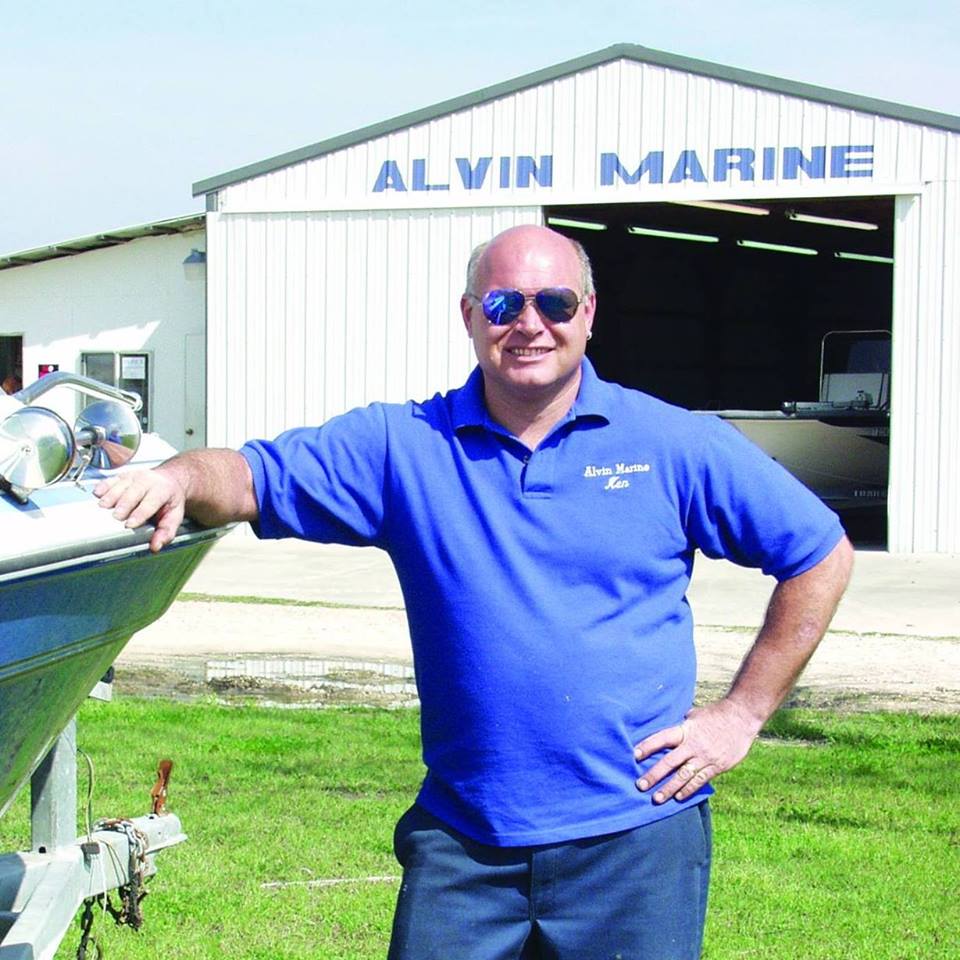
Ken Wood owner of Alvin Marine LLC is a Factory Trained & Certified Marine Technician with over 30 years in experience in the industry.

Picture
View my profile on LinkedIn
Picture
1 Comment
Read More
Jeff Carbine link
3/11/2022 11:37:18 pm

I found it interesting when you said ethanol mixed fuels burn cleaner than non-ethanol fuels, leaving less carbon in combustion chambers and exhaust systems and emitting less hazardous emissions. I used to think differently about this and now it makes more sense. What you said about the boat fuel tank was really interesting to me.

Reply

Your comment will be posted after it is approved.


Leave a Reply.

Location                                                                        Contact                                                                                          Hours of Operation    
6210 S. HIghway 35                                                      Ph: 281-388-0885                                                                          M-F 8:00am - 5:00pm
Alvin, Texas 77511                                                          Fax: 281-331-6938                                                                          Sat. 9:00am - 12:00pm
                                                                                       Email: [email protected]                                             Sun. Closed